How to Protect Your Car's Paint from NJ Road Salt and Coastal Air
New Jersey's coastal climate presents unique challenges for your vehicle's paint. The combination of salt air, road salt, high humidity, and UV exposure can take a toll on your car's exterior, leading to corrosion, fading, and deterioration over time. For vehicle owners in coastal New Jersey, protecting your car's paint is essential to maintaining its value and appearance.
Fortunately, two of the most effective solutions available today are ceramic coating and paint protection film (PPF). This article explores how these solutions provide year-round protection and help shield your car from the environmental threats of the Garden State.
The Environmental Threats to Your Car's Paint in Coastal New Jersey
Living near the coast in New Jersey presents its own set of environmental challenges, especially when it comes to your car's paint. Let's look at the factors that can damage your vehicle's exterior:
Road Salt:
New Jersey's winters bring the constant application of road salt to combat icy roads. While this keeps drivers safe, it poses a significant threat to vehicle exteriors. Road salt is highly corrosive and, when left untreated, can seep into the paint, causing it to break down over time. As the salt settles on the surface of your car, it can create pits, rust spots, and discoloration, which may lead to extensive damage if not addressed.
Road salt doesn't just affect the body of the car. It can also corrode the undercarriage and wheel wells, areas that are often neglected during regular cleaning. Over time, the corrosive effects of road salt can eat away at the metal underneath, leading to premature rust formation and further paint degradation. Even with regular cleaning during winter months, road salt can still accumulate in hard-to-reach places, leaving your vehicle vulnerable to corrosion.
To combat this, it's critical to wash your car regularly and remove road salt buildup as soon as possible. A thorough rinse underneath the car will help dislodge salt deposits, and waxing can act as a temporary barrier against salt corrosion. However, for long-term protection, additional coatings and films are necessary to provide comprehensive defense.
Salt Air:
Salt air is a constant presence along the New Jersey coastline. Even if your vehicle is parked away from the beach, salt in the air can still settle on your car and cause long-term damage. Salt particles in the air can bond to your car's paint and slowly eat away at its protective layers, eventually leading to corrosion. In combination with moisture from humidity and rain, salt air accelerates the process of oxidation, making your car's paint look dull and faded. The corrosive effect of salt air also weakens your car's trim, wheels, and even the rubber seals around the windows. Over time, this leads to discoloration and potentially irreparable damage to both the appearance and structural integrity of your car.
Even when you don't notice the salt, it's likely causing hidden damage to your car's finish, especially over extended periods. Salt air is a gradual process, but with continuous exposure, the negative effects accumulate.
Moisture:
High humidity and frequent rain showers are part of the coastal weather in New Jersey. Moisture can seep into crevices in your vehicle's paint, and when mixed with dirt and salt, it creates a perfect environment for rust to form. Moisture can also lead to the breakdown of your car's clear coat, which is designed to protect the paint underneath from environmental damage.
The combination of road salt and moisture from rain and fog is particularly damaging in coastal areas. Not only does it leave behind unsightly spots and stains, but it also makes your car more vulnerable to long-term damage. Over time, moisture causes corrosion that's difficult to repair without costly repainting or bodywork. The hidden moisture that collects in your car's seams and joints exacerbates the damage, especially when mixed with salt and dirt. Moisture can also lead to clouding and discoloration of your car's headlights, reducing their efficiency and making them more susceptible to debris damage.
Regular washing is a good way to reduce moisture buildup, but for lasting protection, other treatments are needed to form a barrier against water and humidity.
UV Exposure:
The sun in New Jersey, particularly during the summer months, can have a significant impact on your car's paint. UV rays can break down the chemical bonds in the paint's clear coat, causing it to fade, crack, and lose its glossy appearance. This is particularly noticeable on the roof, hood, and trunk of the vehicle, where the sun's rays are most intense. UV exposure doesn't just affect the appearance of the paint. It can also cause the paint to become brittle, making it more prone to chips and cracks.
If your car is regularly exposed to UV rays, the protective finish on the paint may begin to degrade, leading to further issues like oxidation and discoloration. This process can happen relatively quickly, especially when combined with the moisture and salt exposure common in coastal climates. UV rays are particularly harmful during the summer months, and unless your car is parked in a garage or shaded area, the sun can have a significant impact on its finish. If left untreated, this type of exposure can lead to a dull and lifeless appearance.
To prevent UV damage, it's essential to apply a protective layer that can block out harmful rays and preserve your car's gloss.
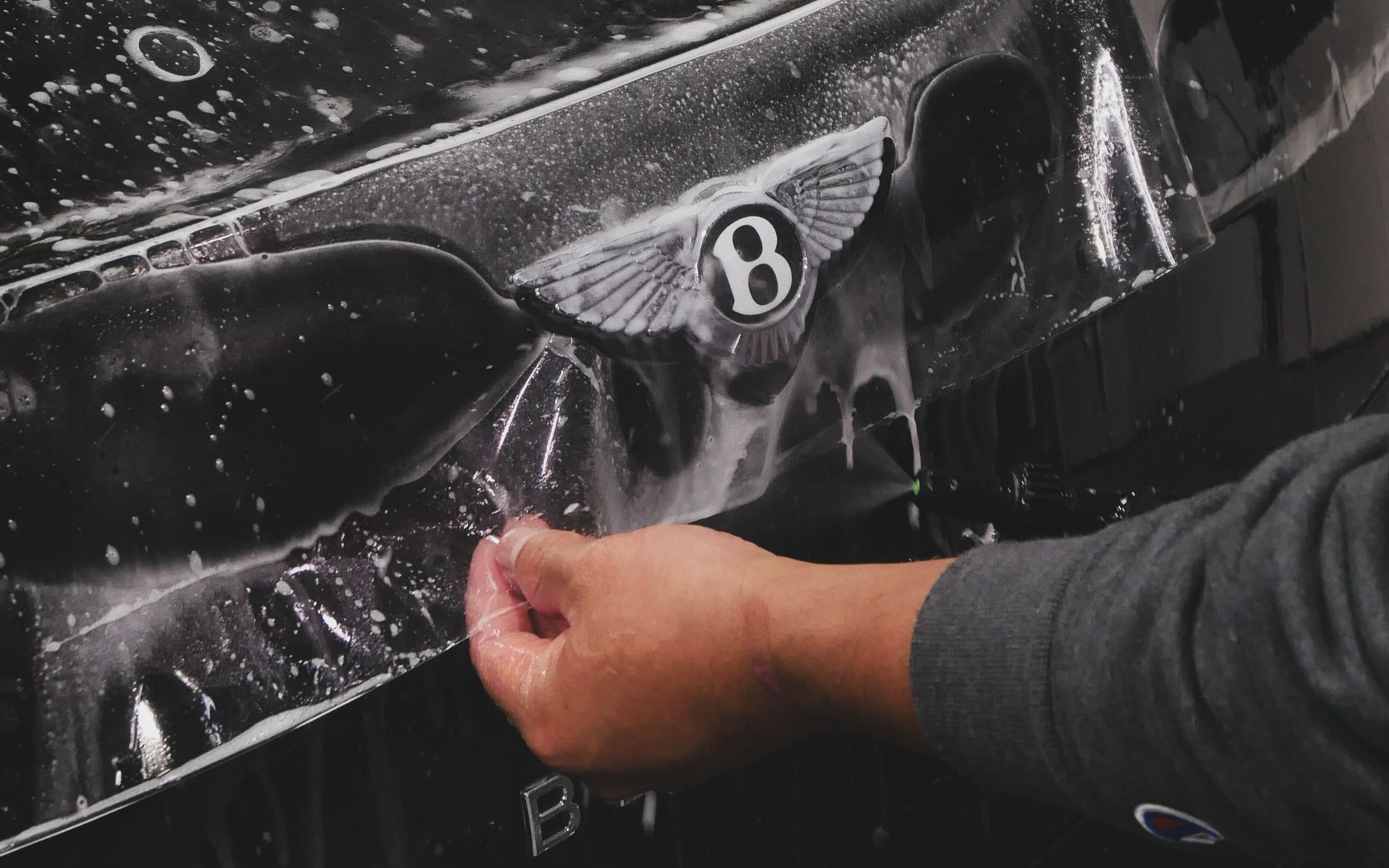
How Ceramic Coating and Paint Protection Film (PPF) Help Protect Your Car's Paint
Now that we've established the threats posed by the environment, let's look at the two most effective solutions for protecting your car's paint in coastal New Jersey: Ceramic Coatings and Paint Protection Film (PPF). Both offer powerful defenses against the elements and work in different ways to keep your vehicle looking brand new.
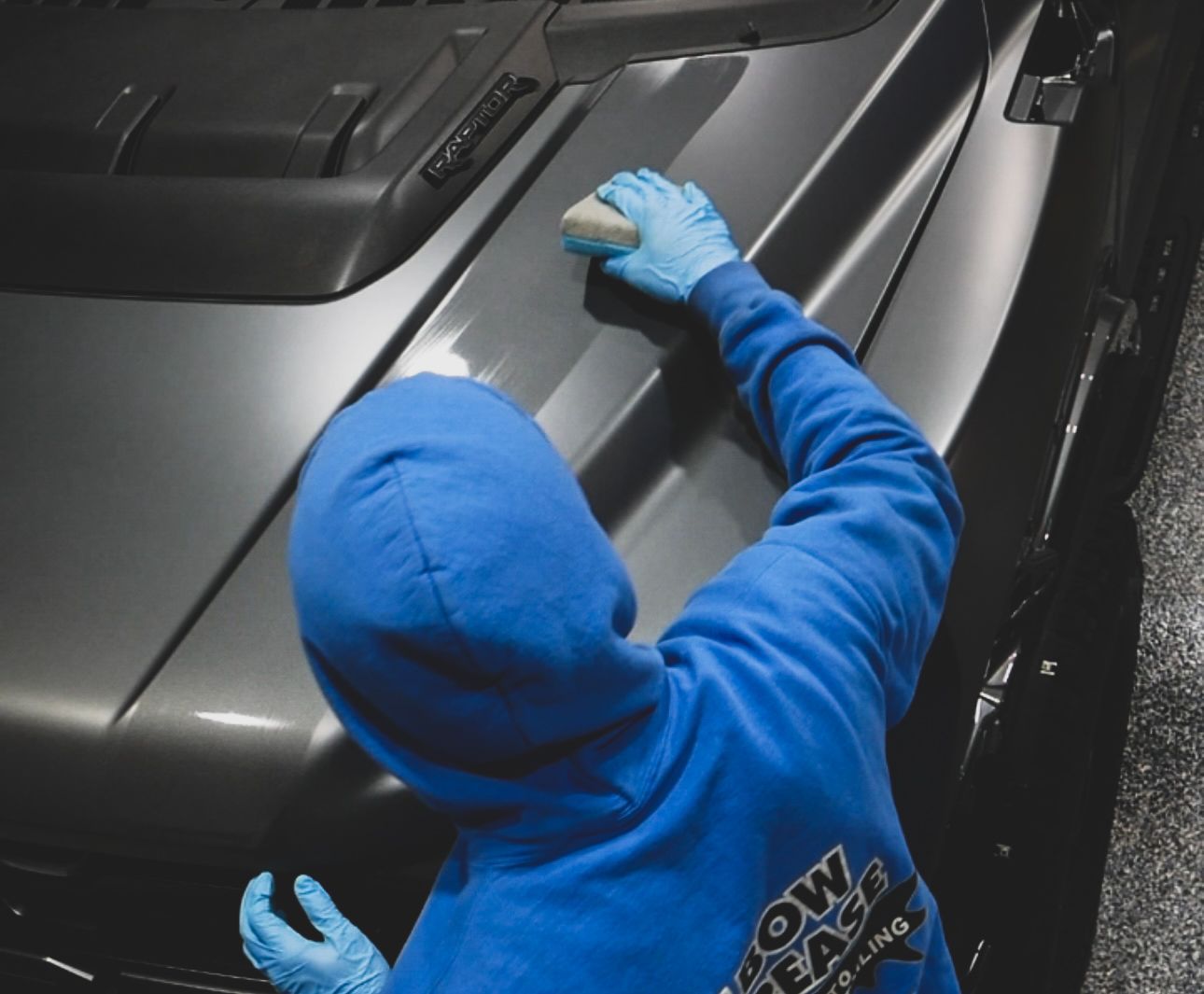
Ceramic Coatings: Ceramic coatings have gained popularity due to their long-lasting protection and ease of maintenance. Here's how ceramic coatings can benefit your car's paint:
Hydrophobic Properties:
Ceramic coatings create a hydrophobic layer that repels water. This prevents moisture from sitting on the surface of your vehicle, reducing rust or corrosion. In New Jersey, where rain and humidity are common throughout the year, the hydrophobic properties of ceramic coatings help keep your car dry by allowing water to bead off the surface. When water rolls off the paint, it also carries away dirt, dust, and contaminants, ensuring a cleaner surface that is less prone to damage.
UV Protection:
The ceramic layer acts as a barrier that blocks harmful UV rays from reaching your car's paint. This is particularly important in New Jersey, where summer UV exposure can cause significant fading and damage to your vehicle's exterior. The UV protection provided by ceramic coatings helps preserve the paint's vibrancy and prevents oxidation. It also acts as a buffer to shield your paint from the sun's harmful rays, helping your vehicle maintain its glossy appearance despite constant exposure.
Ease of Cleaning:
One of the biggest advantages of ceramic coatings is that they make it much easier to clean your vehicle. The smooth, slick surface created by the coating prevents contaminants like road salt, dirt, and grime from sticking to your car's paint. This makes washing and drying your car faster and more efficient, ensuring that harmful particles don't stay on the surface for too long and cause damage. Since contaminants are less likely to adhere to the paint, the need for frequent waxing or polishing is minimized, further reducing maintenance time.
Durability:
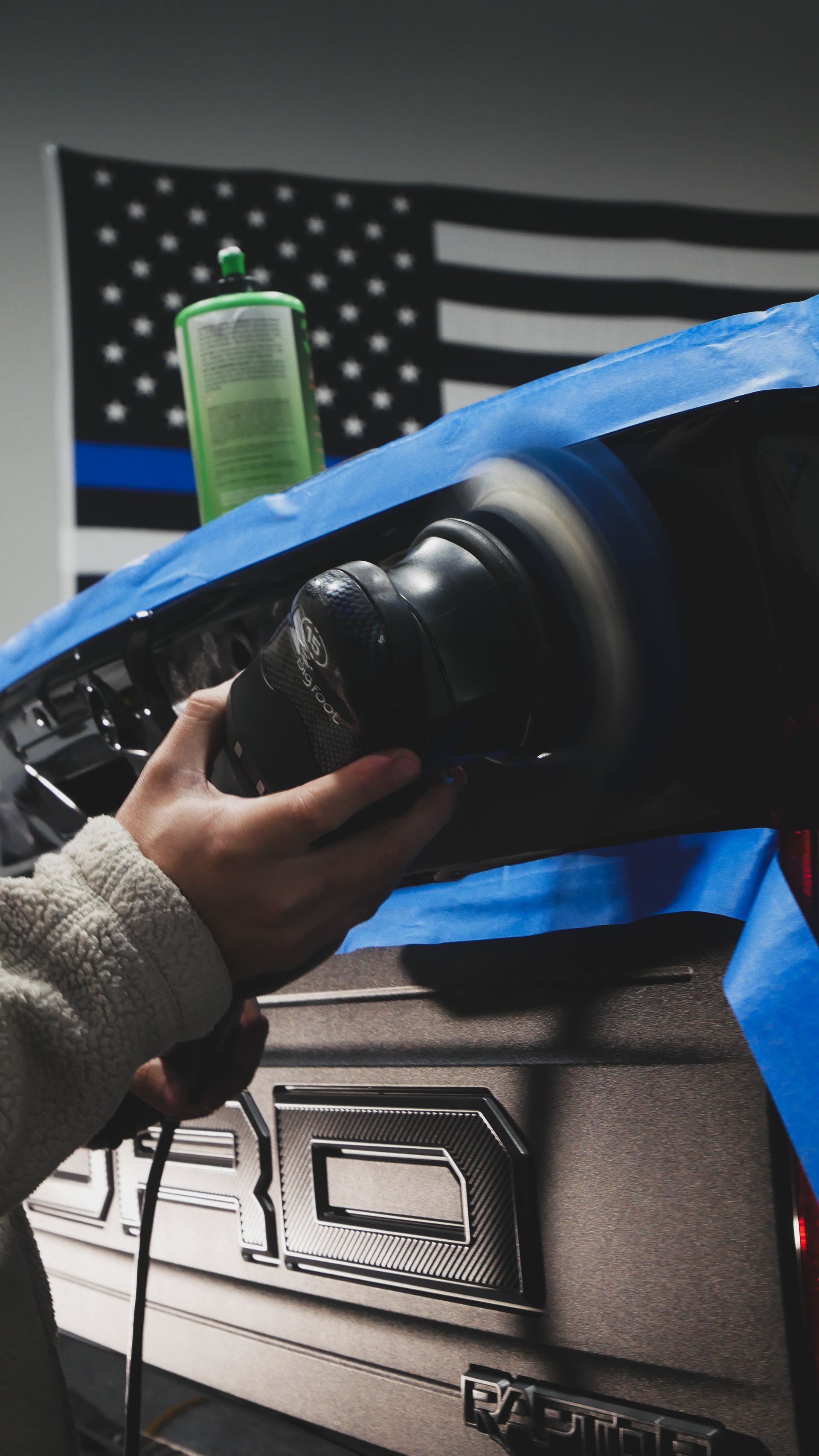
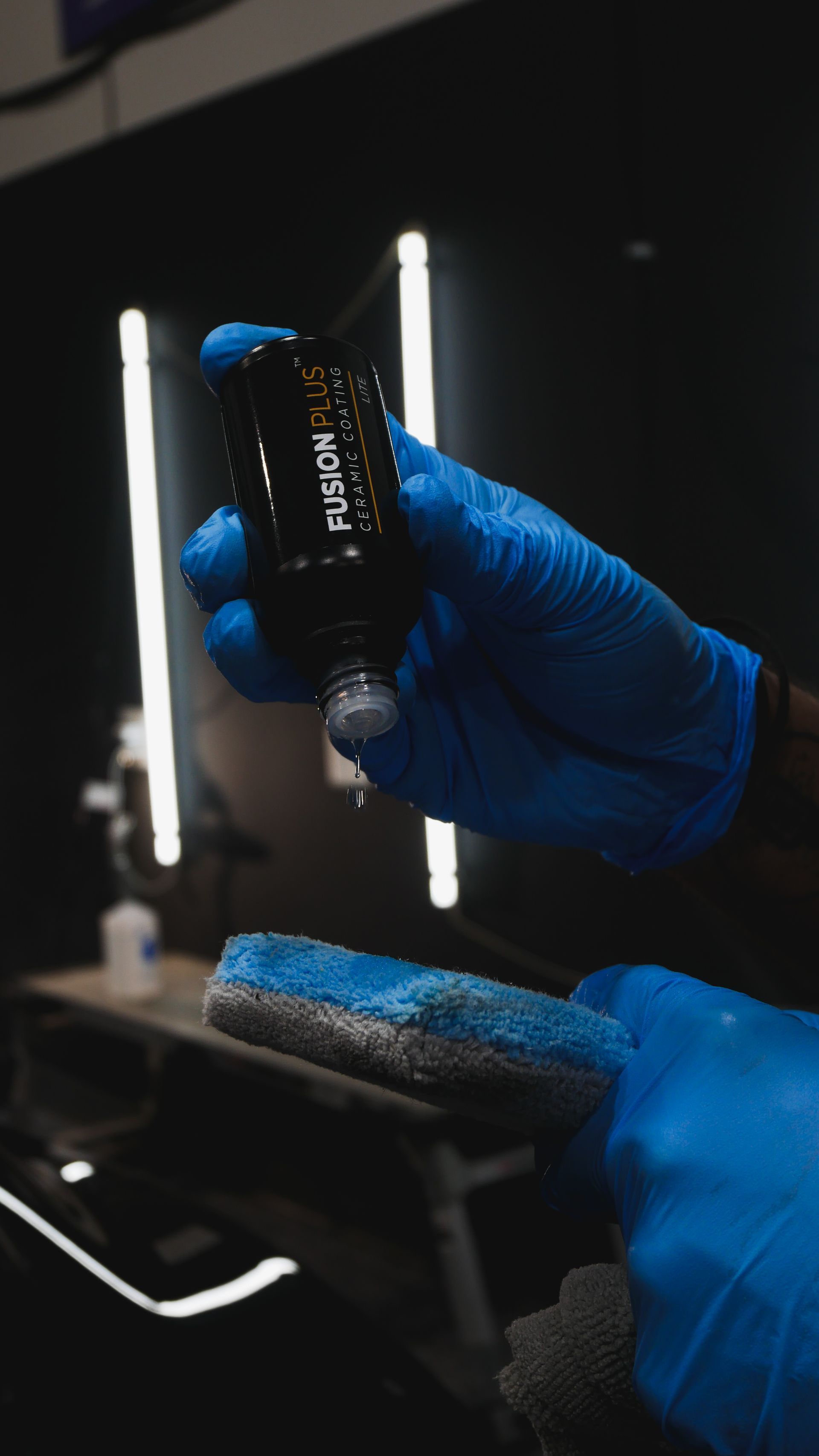
Ceramic coatings offer long-lasting, warranty-backed protection. At Elbow Grease Detailing, ceramic coatings are applied using XPEL Fusion Plus, a professional-grade product available in three tiers: packages ranging from 1 to 8 years of coverage, including a 4-year option using XPEL Fusion Plus Classic and an 8-year option using XPEL Fusion Plus Premium. This warranty-backed durability is a significant advantage over traditional waxes or sealants, which wear off quickly and require frequent reapplication. Ceramic coatings form a robust and enduring bond with your car's paint, which means less upkeep and greater protection for the long term.
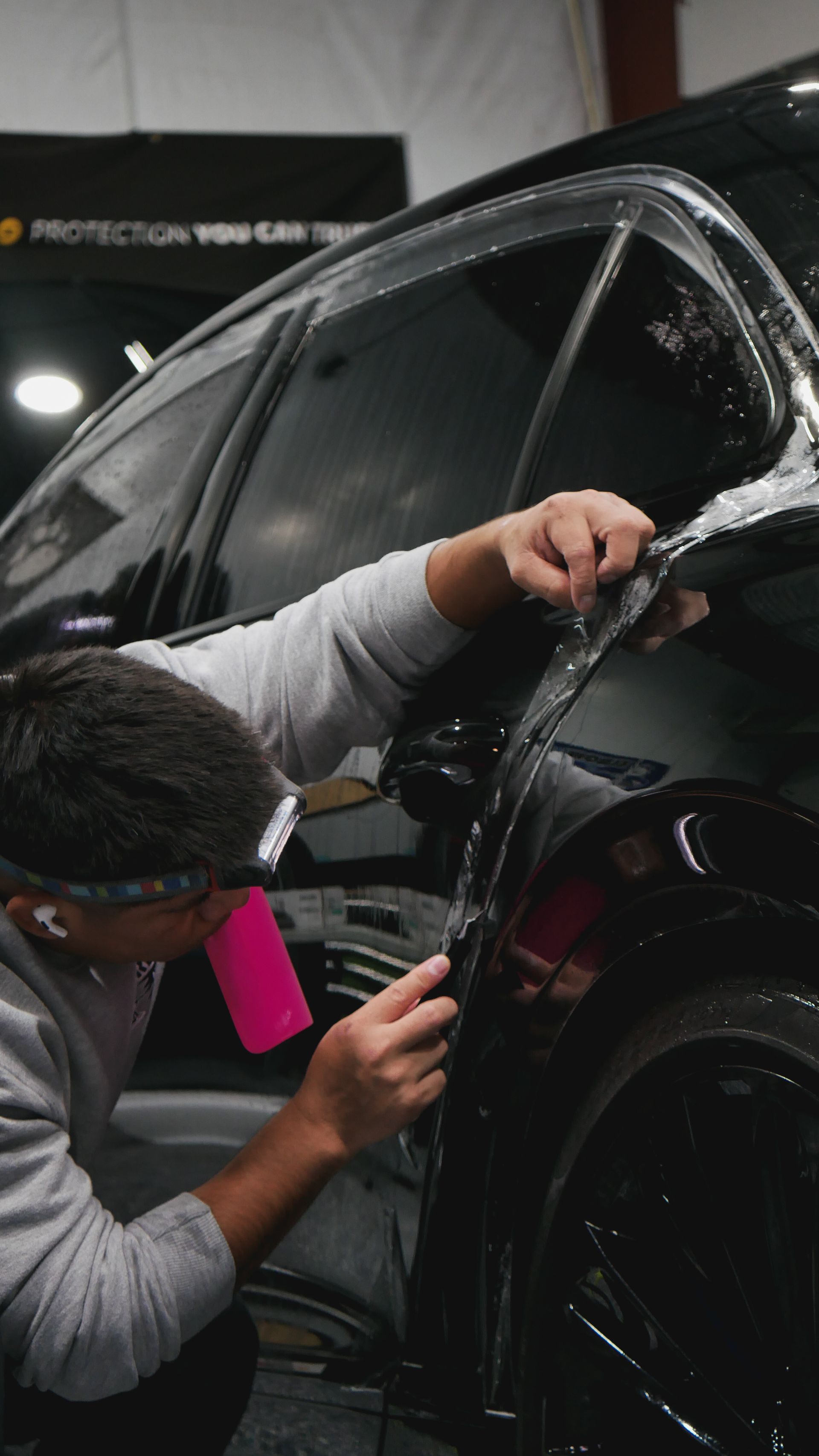
Paint Protection Film (PPF): While ceramic coatings protect against environmental contaminants, PPF offers a more physical form of protection. Here's how PPF works:
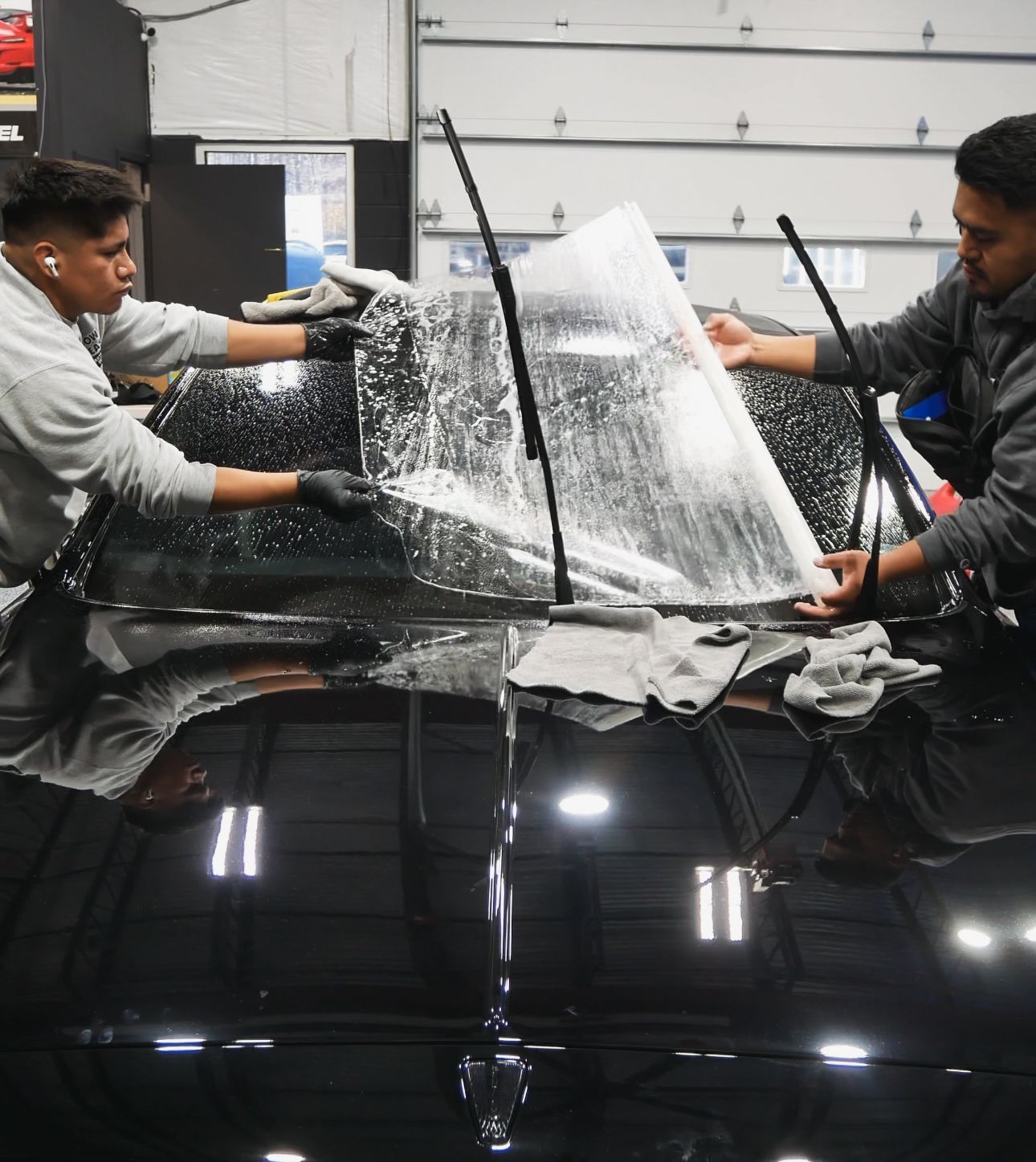
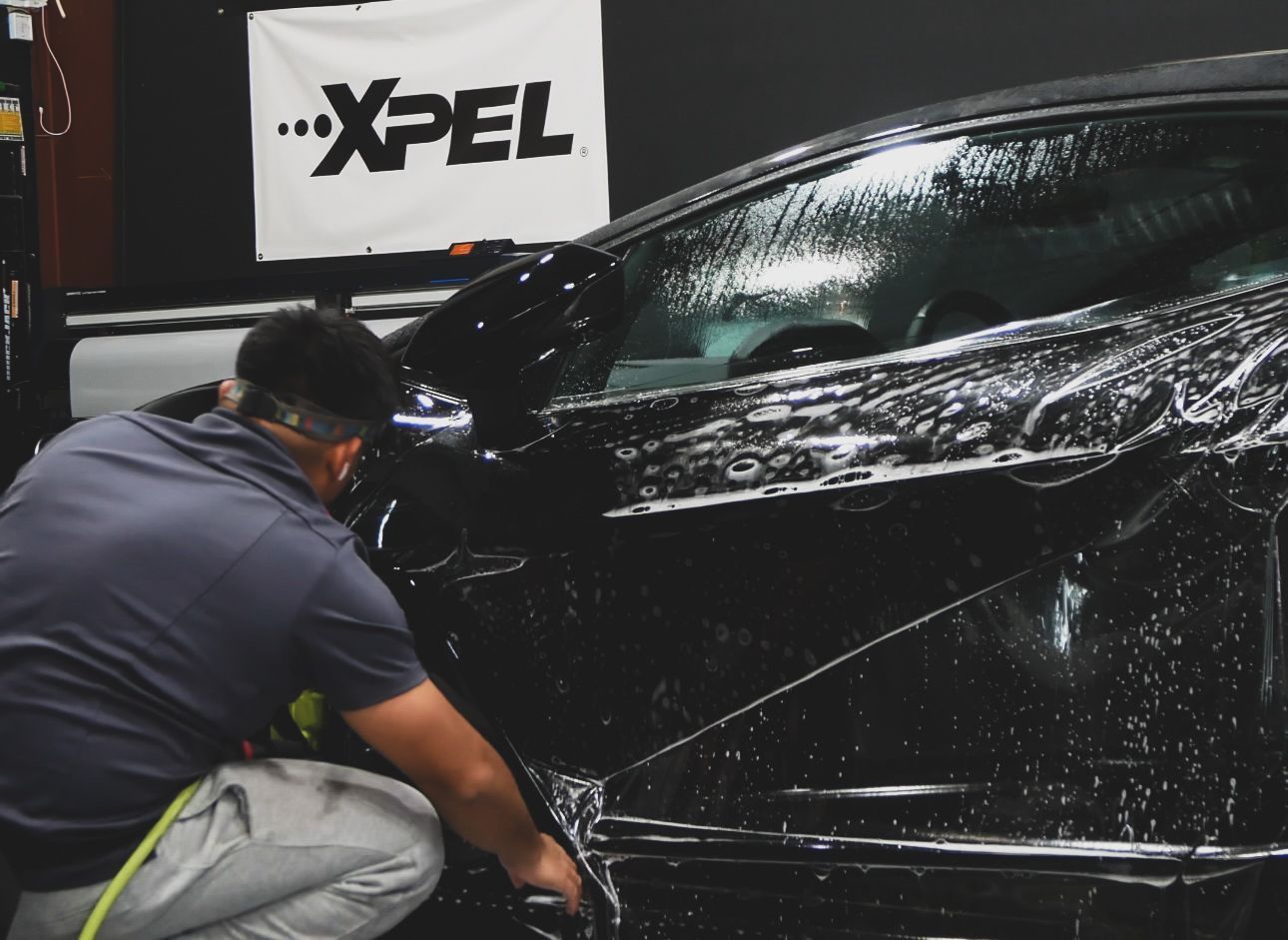
- Invisible Barrier Against Salt and Debris: PPF is a transparent film applied directly to the surface of your car. It acts as an invisible shield that protects your paint from road salt, rocks, bugs, and other debris that can cause chips and scratches. The film is incredibly durable and can withstand the harsh conditions of coastal New Jersey, including the constant exposure to road salt and salt air. The clear film does not alter the appearance of your car, preserving its original finish while offering robust protection against environmental factors.
- Self-Healing Technology: One of the most impressive features of PPF is its self-healing technology. When the film is scratched or scuffed, it has the ability to heal itself, restoring the surface to its original condition. This is particularly useful for minor abrasions caused by road salt, gravel, or even car washes. The self-healing nature of PPF ensures that your car's paint stays intact, even in the face of everyday wear and tear. Additionally, the film can protect your car from swirl marks that can be caused by improper washing or scrubbing.
- UV and Chemical Resistance: Like ceramic coatings, PPF offers UV protection, which helps prevent paint fading and discoloration. Additionally, PPF provides superior resistance to chemicals, including road salts, bird droppings, and tree sap. These contaminants can wreak havoc on your car's paint, but with PPF, you can rest assured that your car's exterior remains protected. The film acts as a tough barrier, preventing corrosive chemicals from reaching your paint and ensuring that it stays pristine.
- Preserving the Aesthetic Appeal: Because PPF is clear and invisible, it doesn't alter the appearance of your car. It allows the natural shine and gloss of the paint to show through, giving your vehicle the protection it needs without compromising its aesthetics. The film also helps maintain the smooth finish of the paint, preventing swirl marks and scratches that can appear over time. PPF enhances the look of your car by preserving its original finish while offering excellent protection against the harsh environmental factors present in New Jersey.
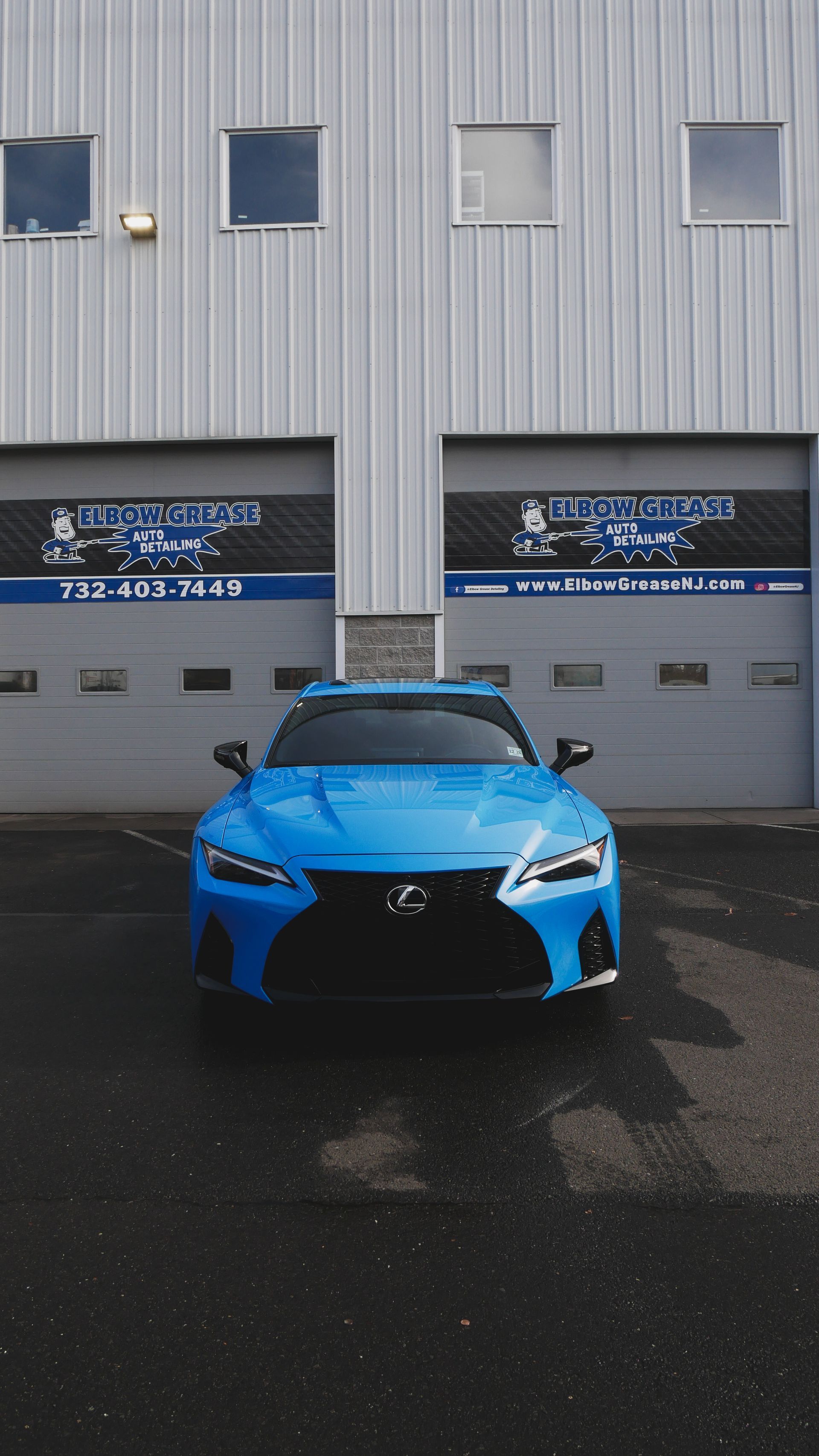
Protect Your Car's Paint Today with Elbow Grease Detailing in Tinton Falls, NJ
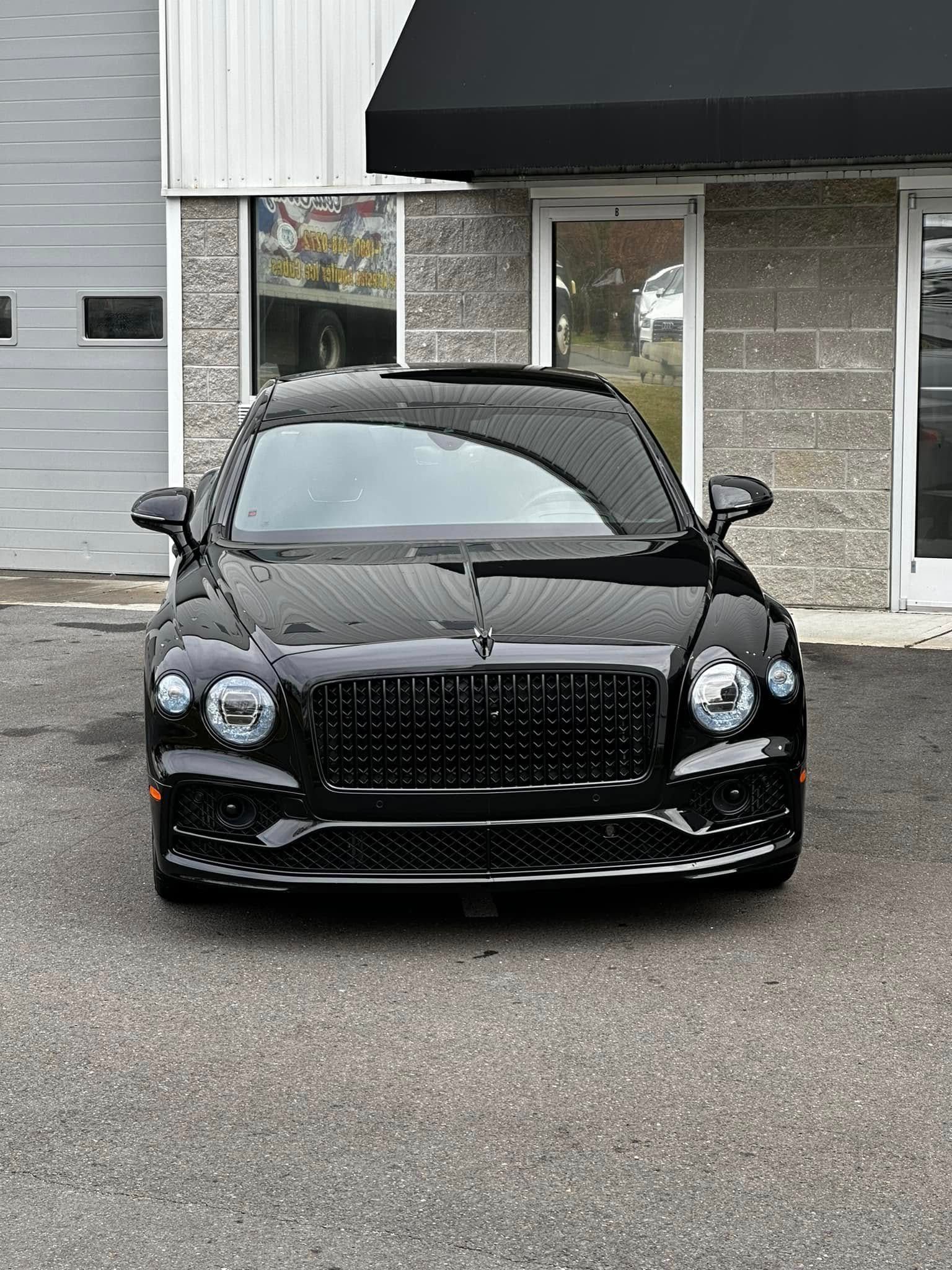
Coastal New Jersey's combination of road salt, salt air, moisture, and UV rays makes it essential to take protective measures for your car's paint. Fortunately, ceramic coatings and Paint Protection Film (PPF) provide effective, long-lasting protection against these environmental threats. By applying these solutions, you can safeguard your car's exterior from the harsh conditions of the Garden State and ensure that it stays looking great for years to come. Whether you choose the hydrophobic, UV-blocking properties of ceramic coatings or the self-healing, physical defense of PPF, both offer excellent protection for your vehicle.
Investing in ceramic coatings or PPF not only helps maintain your car's value but also saves you from costly repairs down the road. If you're in Tinton Falls, NJ, and looking for expert protection for your vehicle, Elbow Grease Detailing is here to help. Our professional ceramic coating and PPF services ensure that your car remains in pristine condition, no matter what the weather throws its way. Learn more about our ceramic coating and PPF services in Tinton Falls, NJ, and schedule an appointment with Elbow Grease Detailing today!