Vehicle owners constantly seek ways to maintain their automobile's appearance while reducing maintenance time. Among modern paint protection solutions, ceramic coating has emerged as a transformative technology that addresses both objectives. This advanced treatment fundamentally changes how your vehicle's surface interacts with the environment, creating a barrier that defends against damage while simplifying routine care.
At Elbow Grease Detailing, located at 4043 NJ 33, Tinton Falls, NJ 07753, we've helped countless vehicle owners protect their investments with professional ceramic coating services since opening our doors in 2010. As a certified XPEL facility voted best detail shop in Monmouth County, we bring expertise and precision to every application. This comprehensive guide explains ceramic coating technology, its benefits, and how it protects your vehicle.
What Is Ceramic Coating?
Ceramic coating consists of a liquid polymer formulation that chemically bonds with automotive paint. Unlike wax or sealants that sit on top of your clear coat temporarily, ceramic coating creates a protective layer that becomes part of your vehicle's finish.
This bonding distinguishes ceramic coating from conventional protection products. When you apply wax, it gradually wears away through washing and environmental contact, requiring reapplication every few weeks or months. Ceramic coating maintains its protective properties for years with proper maintenance, making it a long-term investment rather than a recurring expense.
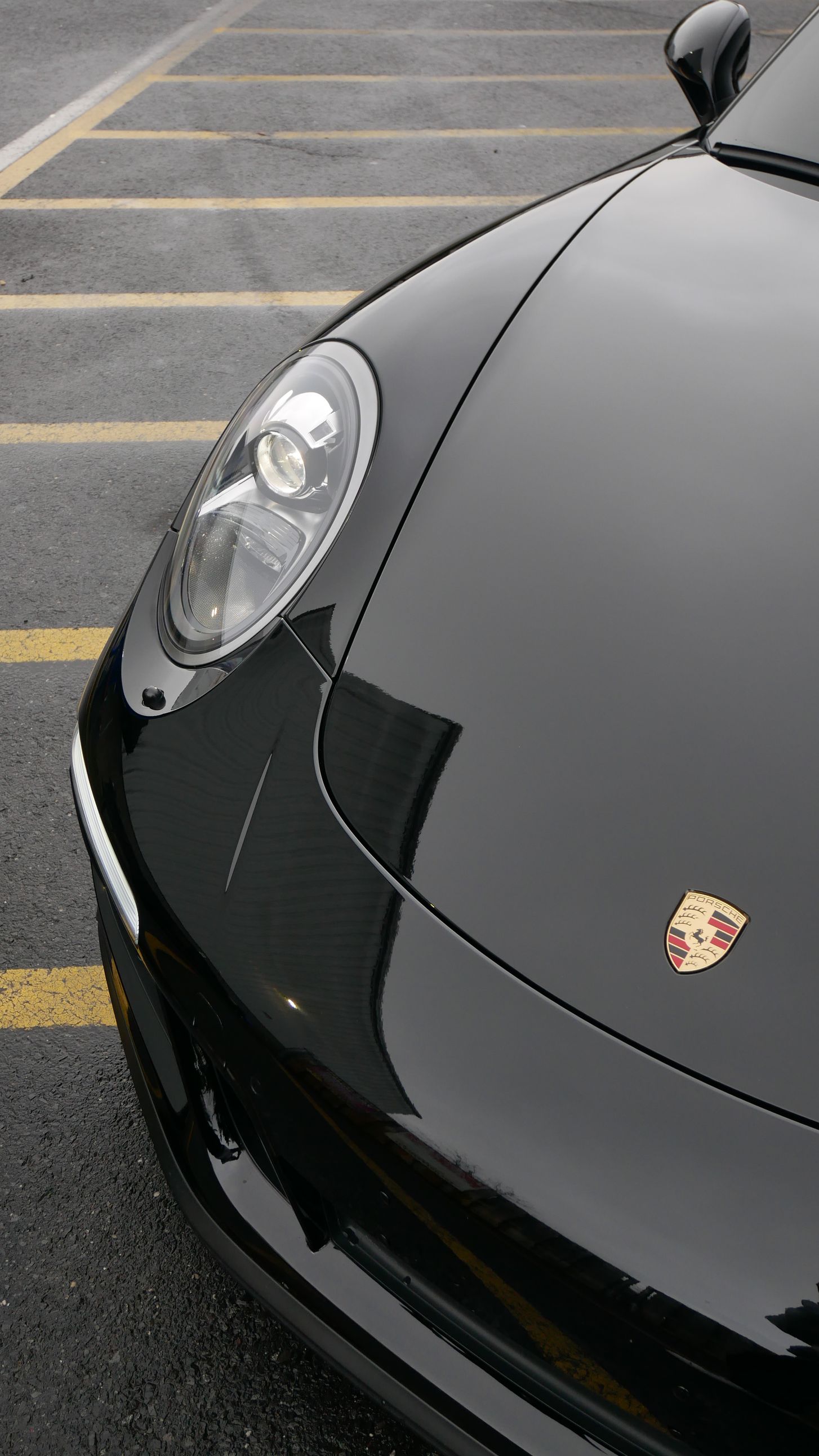
The coating's hydrophobic characteristics cause water to bead up and sheet off immediately upon contact. This behavior extends beyond water to include various liquid contaminants—bird droppings, bug splatter, and tree sap have difficulty adhering to the treated surface. The result is a finish that stays cleaner longer and cleans more easily when maintenance becomes necessary.
Ceramic coating can be applied to multiple vehicle surfaces beyond painted panels. Wheels benefit from the same protection, resisting brake dust adhesion that typically creates stubborn staining. Glass surfaces shed water dramatically, improving visibility during rain. At Elbow Grease Detailing, we also apply ceramic coating to headlights for enhanced surface protection, helping maintain clarity and appearance over time.
How Ceramic Coating Works
Ceramic coating bonds with your vehicle's paint surface during application, creating a smooth protective layer. As the coating cures, it forms a durable surface that provides enhanced gloss and hydrophobic properties.
The coating creates a harder surface that offers resistance against light mechanical damage. While ceramic coating doesn't make your paint invincible, it does provide meaningful defense against everyday wear and tear that can accumulate over time.
The coating's protective properties help shield your paint from environmental contaminants. Automotive paint faces constant exposure from sources like bird excrement, tree sap, and road contaminants. Ceramic coating's resistant surface helps prevent these substances from bonding and causing damage.
In Tinton Falls and throughout Monmouth County, where vehicles experience intense summer sun and harsh winter conditions, ceramic coating helps maintain your vehicle's appearance long-term by protecting against environmental factors that can degrade your paint's finish.
The Professional Application Process
Achieving ceramic coating's full potential requires meticulous surface preparation and precise application technique. At Elbow Grease Detailing, we follow a systematic approach that ensures optimal bonding, longevity, and performance.
Surface Preparation
Successful coating adhesion depends entirely on paint surface condition before application begins. We start with thorough washing and decontamination to remove all surface contaminants. This step reveals the true condition of your paint and prepares it for the next stage.
Paint Correction
Paint inspection follows preparation, revealing surface imperfections. Swirl marks, light scratches, oxidation, and other defects require correction before coating application—ceramic coating enhances existing surface conditions rather than concealing them.
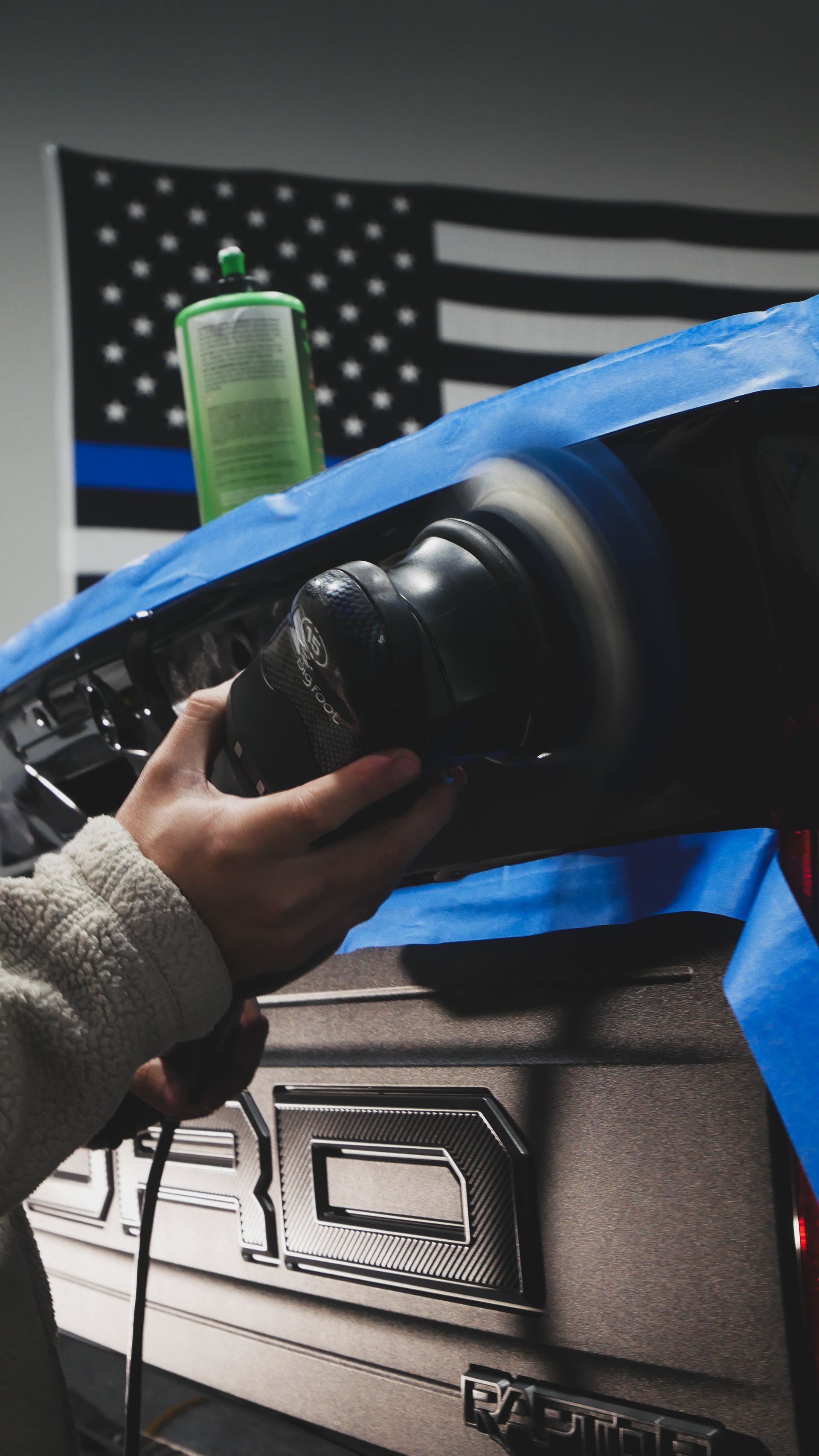
At Elbow Grease Detailing, our two-step paint correction process involves compounding and polishing stages that restore paint to optimal condition. This paint correction process often makes the most dramatic visual difference, bringing your vehicle's finish to like-new or better condition.
Coating Application
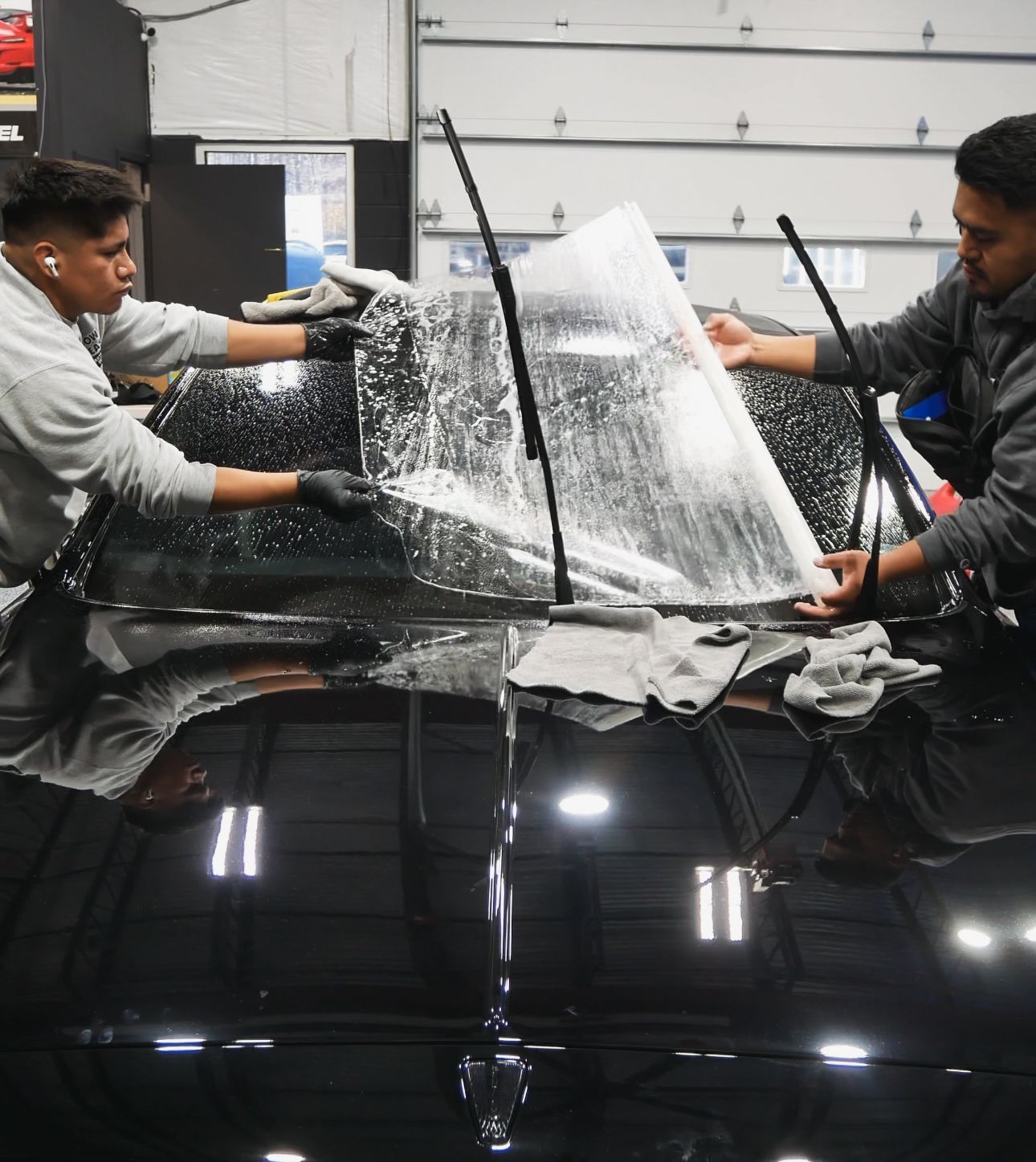
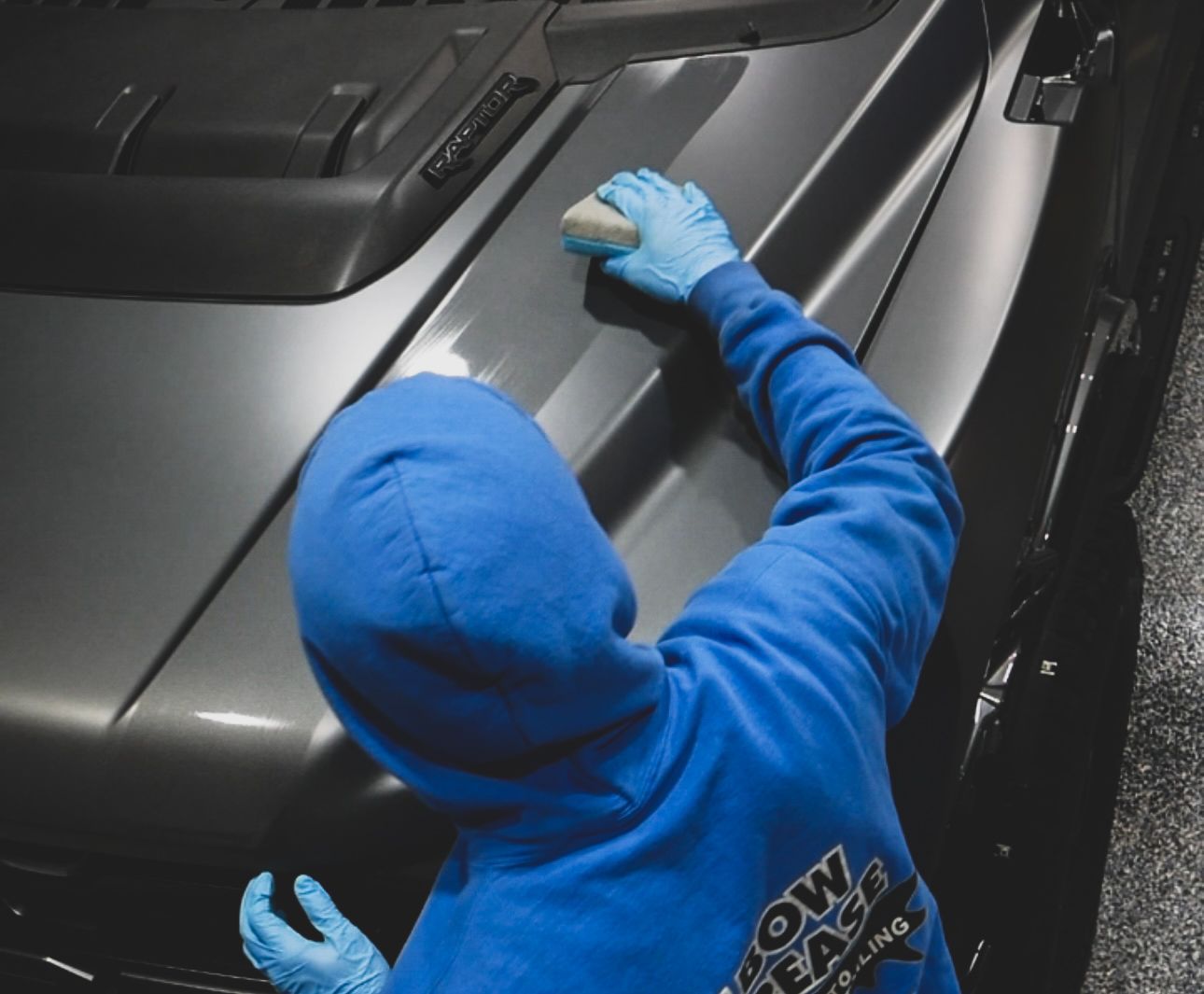
With paint properly prepared, ceramic coating application proceeds under controlled conditions. We apply coating systematically to ensure even distribution and uniform coverage across the entire vehicle. Each section receives individual attention to ensure consistent results.
Aftercare
Following application, ceramic coating enters its curing phase. We provide specific care instructions to ensure your coating delivers maximum lifespan and performance. Proper maintenance throughout the coating's life is essential for optimal results.
Benefits of Ceramic Coating
Extended Protection Duration
Ceramic coating maintains protective properties for years with proper maintenance. This extended duration means fewer protection renewals throughout vehicle ownership. For vehicles in Tinton Falls and Monmouth County, where environmental conditions vary dramatically between seasons, this year-round protection proves particularly valuable.
Superior Hydrophobic Performance
The dramatic water beading ceramic coating provides practical maintenance advantages. Rain automatically rinses loose contamination from coated surfaces, providing self-cleaning benefits during wet weather. Washing becomes significantly easier when required, with dirt releasing readily from the slick ceramic surface. Water simply runs off in sheets rather than clinging to the surface.
Enhanced Gloss and Appearance
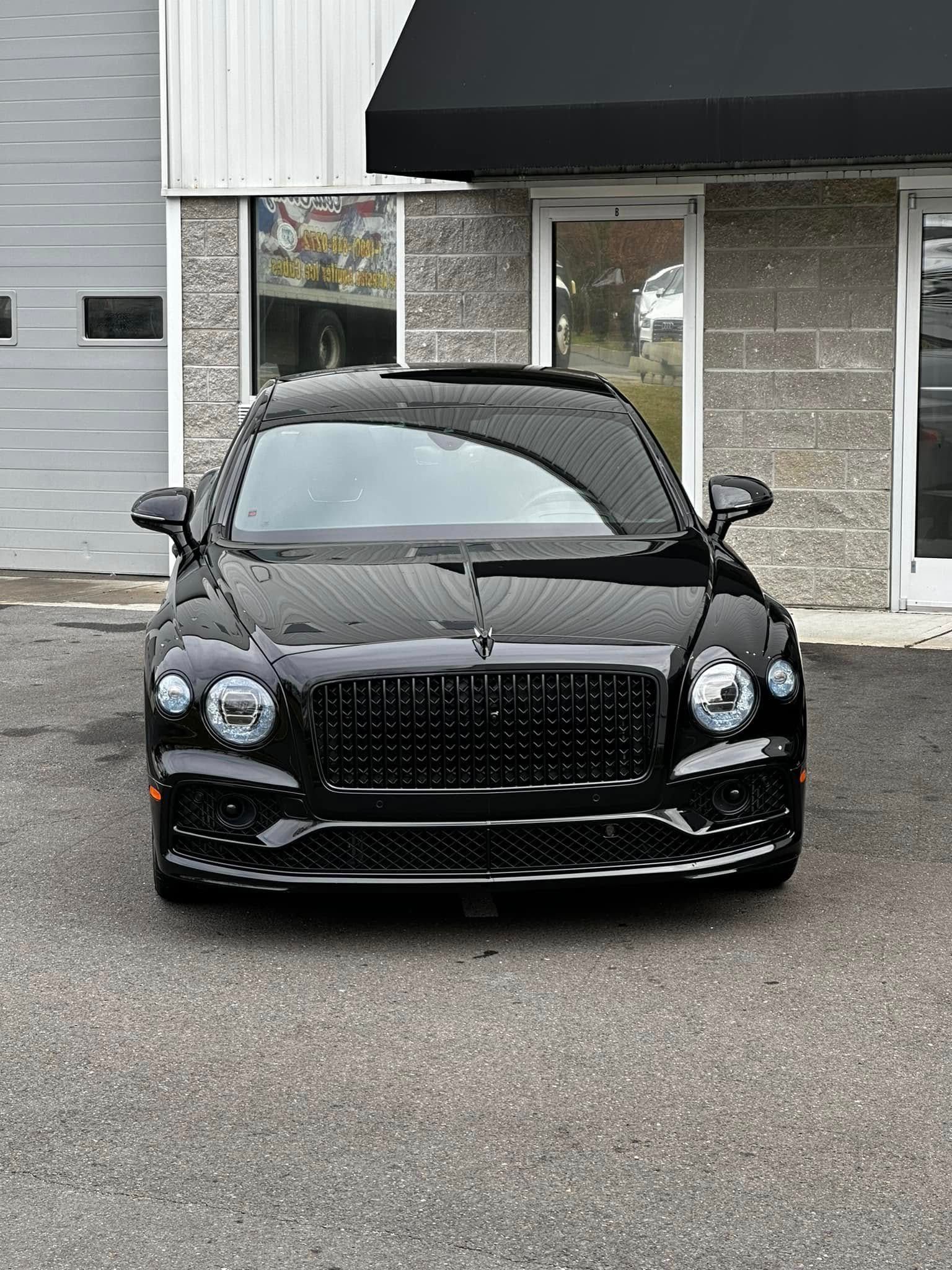
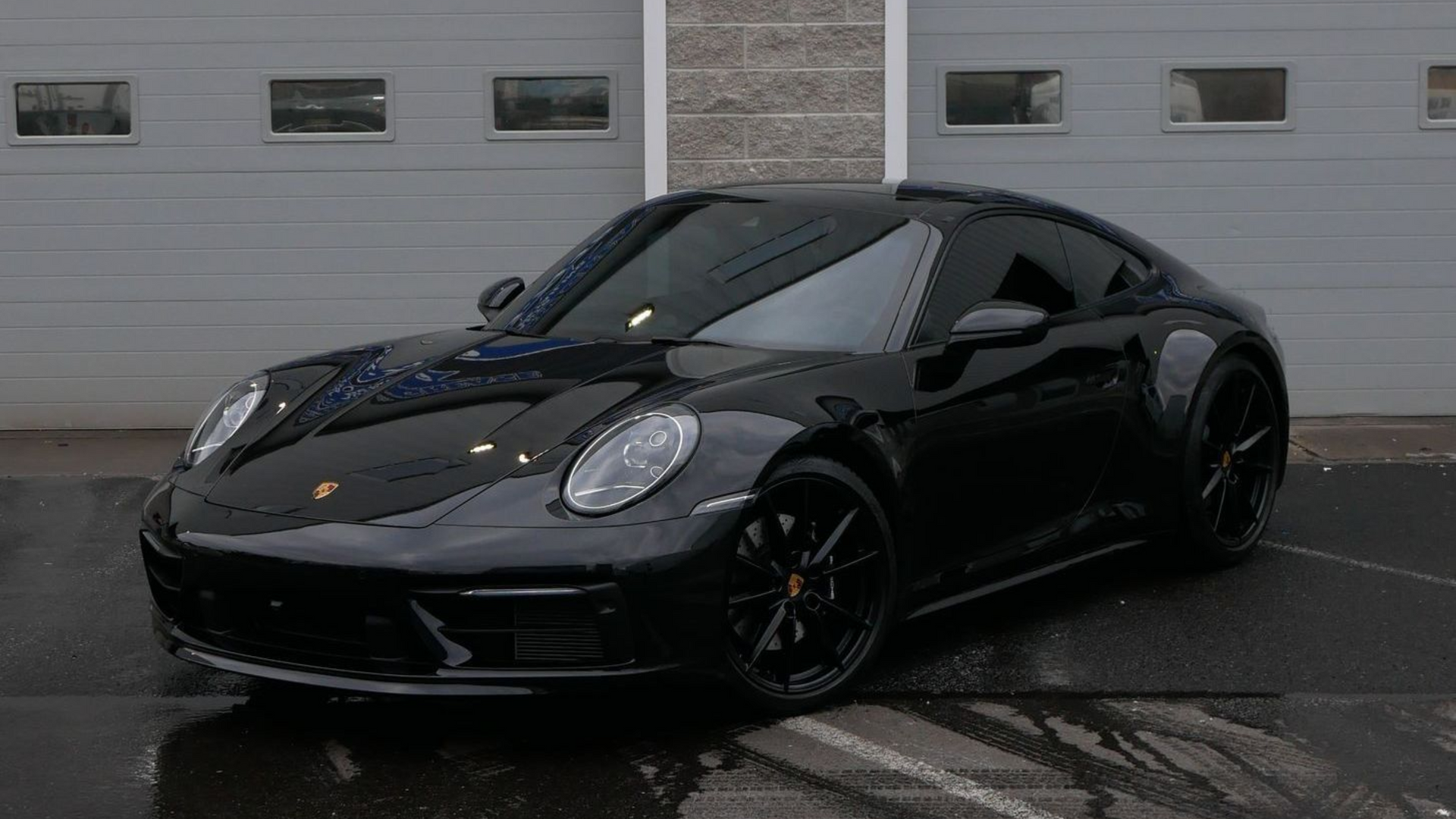
Ceramic coating enhances paint gloss levels noticeably. The smooth ceramic surface creates enhanced reflection associated with premium finishes. Colors appear richer and more vibrant. This enhanced appearance remains constant throughout the coating's lifespan—your vehicle maintains that freshly detailed look long-term.
Simplified Routine Maintenance
Perhaps the most appreciated benefit involves how ceramic coating simplifies vehicle maintenance. Your vehicle stays cleaner between washes. When washing becomes necessary, the process requires less time and effort. Bug splatter, bird droppings, and tree sap release far more easily from ceramic surfaces. Many ceramic coating customers find they can wash their vehicles less frequently while achieving better results.
Ceramic Coating Applications
At Elbow Grease Detailing, we apply ceramic coating to multiple vehicle surfaces:
Painted Surfaces: Complete paint protection across all exterior panels creates uniform protection and appearance enhancement.
Wheels: Ceramic coating on wheels resists brake dust adhesion, making wheel maintenance significantly easier and helping maintain their appearance.
Glass: Treated glass surfaces shed water dramatically, improving visibility during rain and reducing the need for windshield wiper use in many conditions.
Ceramic Coating Value and Longevity
Professional-grade ceramic coatings provide protection for multiple years when properly maintained. Vehicle usage patterns significantly impact coating longevity—daily drivers experience more wear than vehicles stored in garages. Maintenance quality directly affects coating lifespan, with proper care extending performance substantially.
Ceramic coating proves particularly valuable for vehicles you intend to maintain long-term. Enthusiasts who take pride in vehicle appearance find coating aligns perfectly with their priorities. Vehicles with premium paint finishes benefit substantially from ceramic protection, preserving their value and appearance. Daily drivers facing harsh conditions in Tinton Falls and throughout Monmouth County gain significant practical benefits from the simplified cleaning and year-round protection against environmental damage.
Ready to Protect Your Vehicle with Professional Ceramic Coating?
Ceramic coating represents a significant advancement in automotive paint protection, offering extended durability, simplified maintenance, and enhanced appearance through advanced polymer technology that bonds with your vehicle's finish. The coating's hydrophobic properties and protective capabilities against environmental damage provide tangible benefits that justify the investment.
At Elbow Grease Detailing, located at 4043 NJ 33, Tinton Falls, NJ 07753, we bring expertise and precision to every ceramic coating application. As a certified XPEL facility voted best detail shop in Monmouth County, our thorough preparation process, professional application technique, and commitment to quality guarantee results that protect your vehicle for years to come. Since opening our doors in 2010, we've built a reputation for excellence in comprehensive detailing services, including paint correction and ceramic coating for painted surfaces, wheels, glass, and headlights, ensuring complete vehicle protection.
Contact us at (732) 403-7449 to discuss whether ceramic coating suits your vehicle protection needs. We'll evaluate your vehicle's condition, explain your options, and provide a detailed quote for ceramic coating services tailored to your specific requirements. Conveniently located in Tinton Falls, we proudly serve drivers throughout Monmouth County with professional vehicle protection and detailing services.